
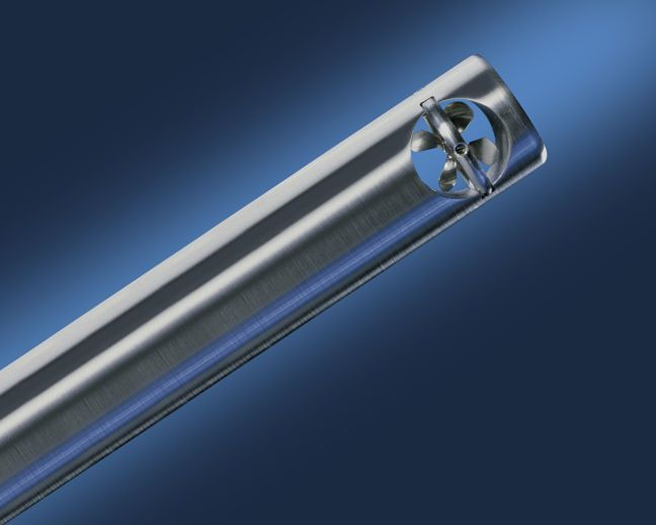
Ventolina FA

Anemometro a ventolina FA – per misurare la portata di gas e liquidi

Ventolina FA

What is a vane wheel anemometer?

A vane wheel anemometer is a flow measuring device based on a rotating vane wheel. When fluid (gas or liquid) flows past the measuring probe it sets the vane wheel in motion. The roational speed determines the flow velocity.

The Höntzsch vane wheel FA offers a specifically high measurement quality. They precisely measure even very low, bidirectional flow velocities, making them suitable for numerous applications.

COME FUNZIONA LA MISURAZIONE DELLA PORTATA CON UN ANEMOMETRO A PALETTA NEI GAS/LIQUIDI?

La misurazione si basa su una girante che ruota ad una velocità proporzionale alla velocità del flusso del fluido che la circonda. La velocità di rotazione è praticamente indipendente dalla densità, dalla pressione e dalla temperatura del mezzo. Gli anemometri con ruota a palette possono essere utilizzati in gas e liquidi.

Il rilevamento della rotazione della ruota a palette avviene tramite un interruttore di prossimità che non ha alcun effetto frenante sul flussometro della ruota a palette. Un ulteriore interruttore di prossimità consente il rilevamento del senso di rotazione e con esso il riconoscimento della direzione +/- del flusso. La contaminazione non influenza il riconoscimento del polso. Un ulteriore interruttore di prossimità consente il rilevamento del senso di rotazione e con esso il riconoscimento della direzione +/- del flusso.

Grazie alla leggerezza della ruota a palette, la velocità di rotazione si adatta agli aumenti di velocità in millisecondi nei gas e nei liquidi, garantendo così misurazioni precise.

I misuratori di portata a palette possono essere regolati e calibrati alla stessa frequenza, in modo che i sensori di flusso dello stesso tipo siano intercambiabili senza restrizioni. I sensori di misurazione delle ruote a palette rilevano con precisione anche velocità di flusso bidirezionali molto piccole. I dati misurati vengono registrati, monitorati e valutati tramite laptop, in modo da poter identificare rapidamente il consumo e le perdite nei sistemi di acqua potabile.
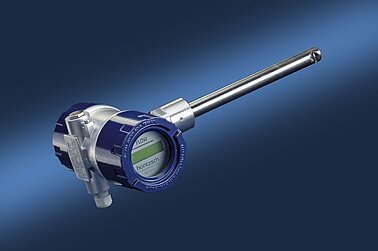
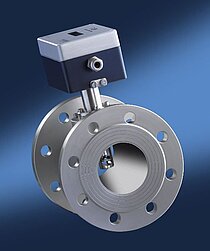
How does flow measurement using a vane wheel anemometer work?

The principle of measurement is based on the vane wheel rotating proportionally to the flow velocity of the fluid in which the sensor is inserted. The rotational speed is virtually independent of the medium’s  density, pressure and temperature. The rotational speed is virtually independent of the medium's density, pressure and temperature. Vane wheel sensors deliver precise results in gases and liquids.The vane wheel's rotational speed is detected by proximity switch, with no braking effect on the vane wheel. Contamination has no impact on impulse recognition. Installation of another proximity switch allows tracking bidirectional flow and +/- direction of flow. Thanks to its low weight the rotational speed of the vane wheel adapts to any increase in velocity within milliseconds in gases and liquids. This ensures highly precise measurement even during quick changes in flow. 

PER QUALI MEZZI È ADATTO UN ANEMOMETRO HÖNTZSCH?

Gli strumenti di misura della portata Höntzsch offrono un'ampia gamma di applicazioni in diversi settori industriali. Sia in mezzi liquidi che gassosi o ad alta pressione, i sensori di flusso con ruota a palette forniscono sempre risultati affidabili. Sia in mezzi liquidi che gassosi, ad alta pressione o alte temperature, i sensori di flusso a palette

In which media can a vane wheel flow measuring sensor be used?

Höntzsch vane wheel sensors offer a wide range of applications. Whether in gaseous or liquid media, under high pressure or very high temperatures, vane wheel anemometers reliably provide measurement data.

Flow measuring sensor for air and gas

With a Höntzsch vane wheel anemometer you can measure flow velocity and flow rate of air and gases - precisely and even at very low flow velocities.

The vane wheel respods to any change in flow within milliseconds, ensuring that even dynamic processes are captured in detail.

IN QUALI INDUSTRIE VENGONO UTILIZZATI GLI ANEMOMETRI A VENTOLINA?

Sensori di flusso a ventolina Höntzsch - esempi di applicazione:

  • Velocità del flusso del gas di scarico, gas di processo esplosivo (Ex/ATEX)
  • prodotto aggressivo fino a 550 °C di temperatura di esercizio
  • misurazione e monitoraggio del flusso laminare in applicazioni farmaceutiche, tunnel di sterilizzazione, tunnel sterili, camere a guanti e tecnologia per camere bianche
  • Misurazioni rilevanti per la sicurezza di esplosioni, di esplosioni di gas e torce nella fornitura di gas naturale
  • Ispezioni aerodinamiche nel settore automobilistico e aerospaziale
  • Misurazione e monitoraggio degli impianti di condizionamento e ventilazione
  • Essiccatore a letto fluido
  • Misure nell'azoto liquido nella sminuzzamento criogenico
  • isure portatili in vasche di tempra in olio in impianti di tempra
  • Prove su strada o ispezioni in galleria del vento
  • Riflusso e punti caldi nei radiatori e nei sistemi di ventilazione
  • Aerospaziale
  • Misurazione della velocità e della portata del flusso di liquidi in tubazioni (es. banchi prova con miscele acqua-glicole) nonché in tunnel o canali aperti
  • Misurazione della portata in acque urbane, acque reflue trattate, ruscelli, fiumi e laghi (ad esempio in acque correnti, scale per pesci e negli allevamenti ittici)
  • Misurazione del flusso in tutti i settori industriali, nell'economia e negli enti comunali

Flow measuring sensor for water and liquids

Even in liquids like water or non-conductive liquids our vane wheel anemometers deliver impressive measurement accuracy. They respond sensitively to changes in flow and work reliably - even in high temperatures or in chemically demanding media.


This kind of precision makes them ideal for applications where constant flow rates, exact consumption values or continuous process monitoring are important.

Thanks to high quality materials and precise bearing of the vane wheel, the sensors work reliably in high temperatures, high humidity or in dusty environments.

In which industries are vane wheel anemometers FA used?

Application examples of Höntzsch flow sensors:


  • Flow velocities of exhaust gases, explosive process gases (Ex/ATEX)
  • Measurement and monitoring of laminar flow in pharmaceutical applications, sterilizing tunnels and clean room technology
  • Safety-relevant measurements in blowouts, gas vent stacks and flares in natural gas supply
  • Measurements of unknown gas compositions and gas density
  • Aerodynamic inspections in the automotive industry and aviation
  • Measuring and monitoring of air conditioning and ventilating systems
  • Measurements in liquid nitrogen, such as cryogenic grinding
  • Portable measurements in oil quenching basins in hardening plants
  • Measurements in demineralized, deionized water (DI water) 
  • Road-Tests or wind tunnel tests
  • Backflow and Hotspots in automotive radiators and ventilation systems
  • Aviation and aerospace
  • Flow measurements in all industrial fields and in local economy
  • Thanks to their versatility, they serve as both a precise air flow meter and a reliable flow meter for liquids

What designs of vane wheel anemometers are available?

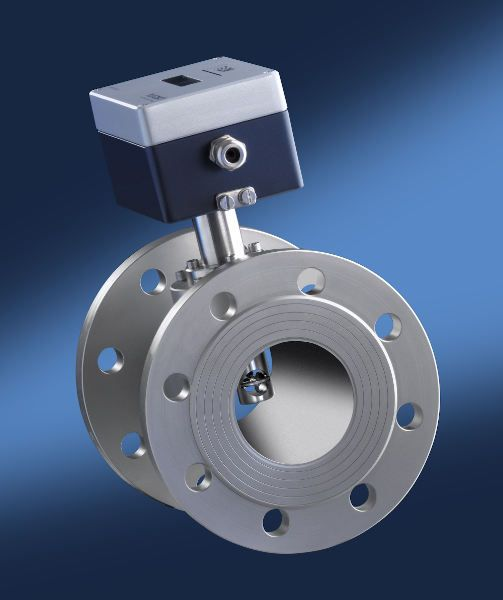
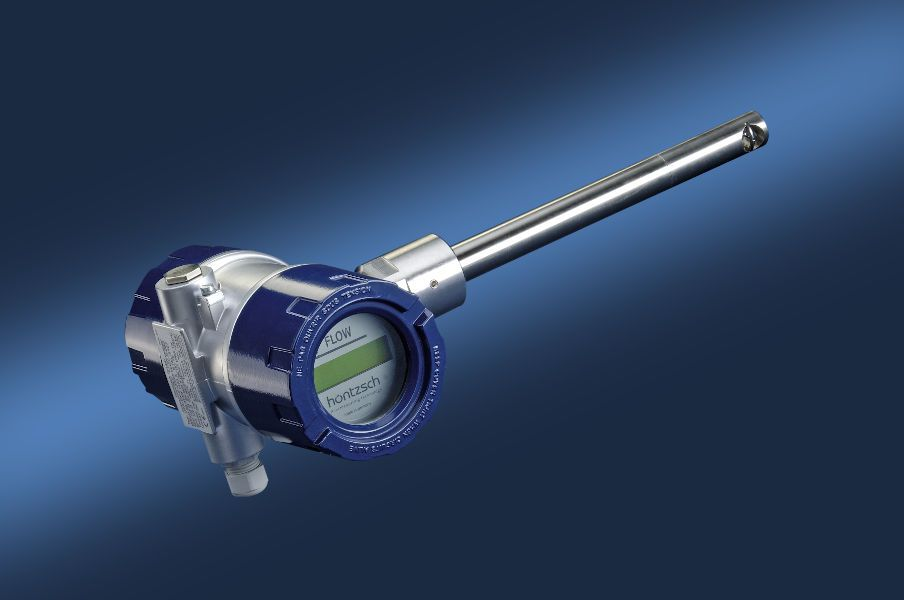
Höntzsch offers a wide variety of designs to meet specific requirements:


  • Insertion probes with a minimum probe diameter of 16 mm 
  • Measuring tubes with a minimum internal diameter of 9.7 mm 
  • Combined flow and temperature sensors 
  • +/- Flow direction detection 

Key facts of flow measurement with Höntzsch vane wheel sensors

  • for use in air/gas and water/liquids
  • in air/gases measuring ranges from 0.15 up to 150 m/s
  • for use in operating temperatures up to +550 °C
  • resistant to aggressive media
  • low pressure loss
  • +/- flow direction detection
  • Profibus/HART-interface
  • for use in hazardous areas (ATEX/CSA)
x